

5 Things That Make Gardening in Richmond Different
Richmond Upon Thames is one of the best places in London for gardening, but it also comes with growing conditions that are surprisingly varied across the borough.
From riverside sandy soils near Kew to heavier loam and clay closer to Richmond Park and Petersham, understanding the local environment properly makes a huge difference to how successful a garden becomes long term.
After working on gardens across Richmond for a number of years, there are a few things that consistently shape how gardens perform here.
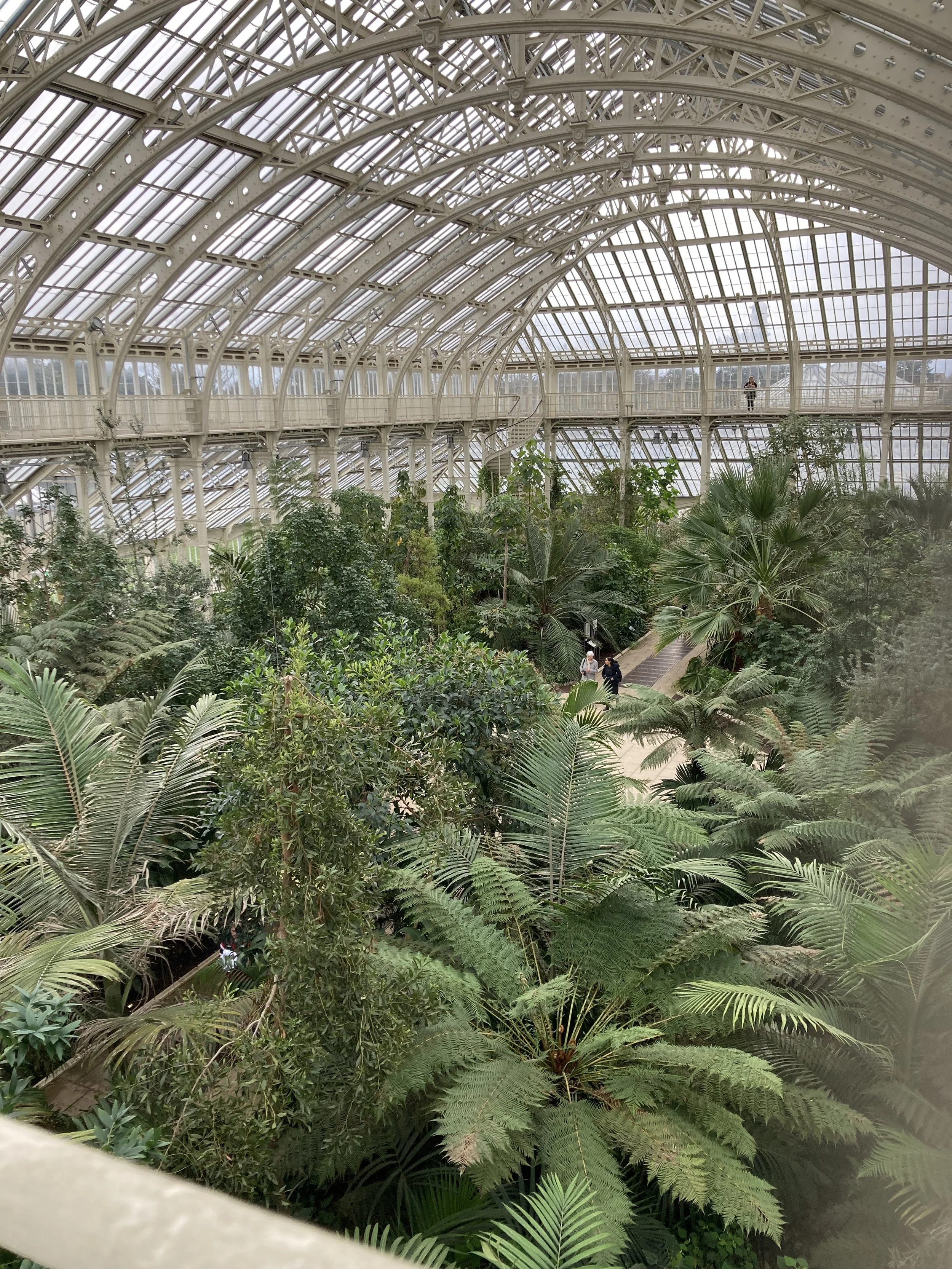
The world class history (and plant collections) at Kew Gardens I find a valuable source of inspiration.
1. Soil Conditions Vary Across Richmond
One of the biggest misconceptions about Richmond gardens is that the soil is the same everywhere.
Closer to the Thames, particularly around Richmond Hill and Kew, soils are often lighter and more free draining. During summer these gardens can dry out quickly, so mulching becomes extremely important for moisture retention and soil health.
Around Richmond Park, Ham and Petersham, soils are often richer and more loam or clay based, holding moisture more effectively and supporting lusher planting schemes.
Because conditions vary so much between sites, thorough site analysis at the beginning of a project is essential. Understanding soil, drainage, light and existing ecology early on helps avoid expensive mistakes later and creates much stronger long term planting.
2. Richmond’s Trees Shape the Character of Gardens and the plants that will thrive
Richmond’s mature tree canopy is one of the defining features of the borough. Large established trees provide:
shade
privacy
biodiversity
cooling during summer
instant maturity within gardens
Rather than removing mature trees unnecessarily, I usually design around them wherever possible. When planning new gardens in Richmond, it is important to consider:
root protection zones
Tree Preservation Orders
conservation area restrictions
long term canopy growth
Good planting beneath mature trees can completely transform shaded spaces.
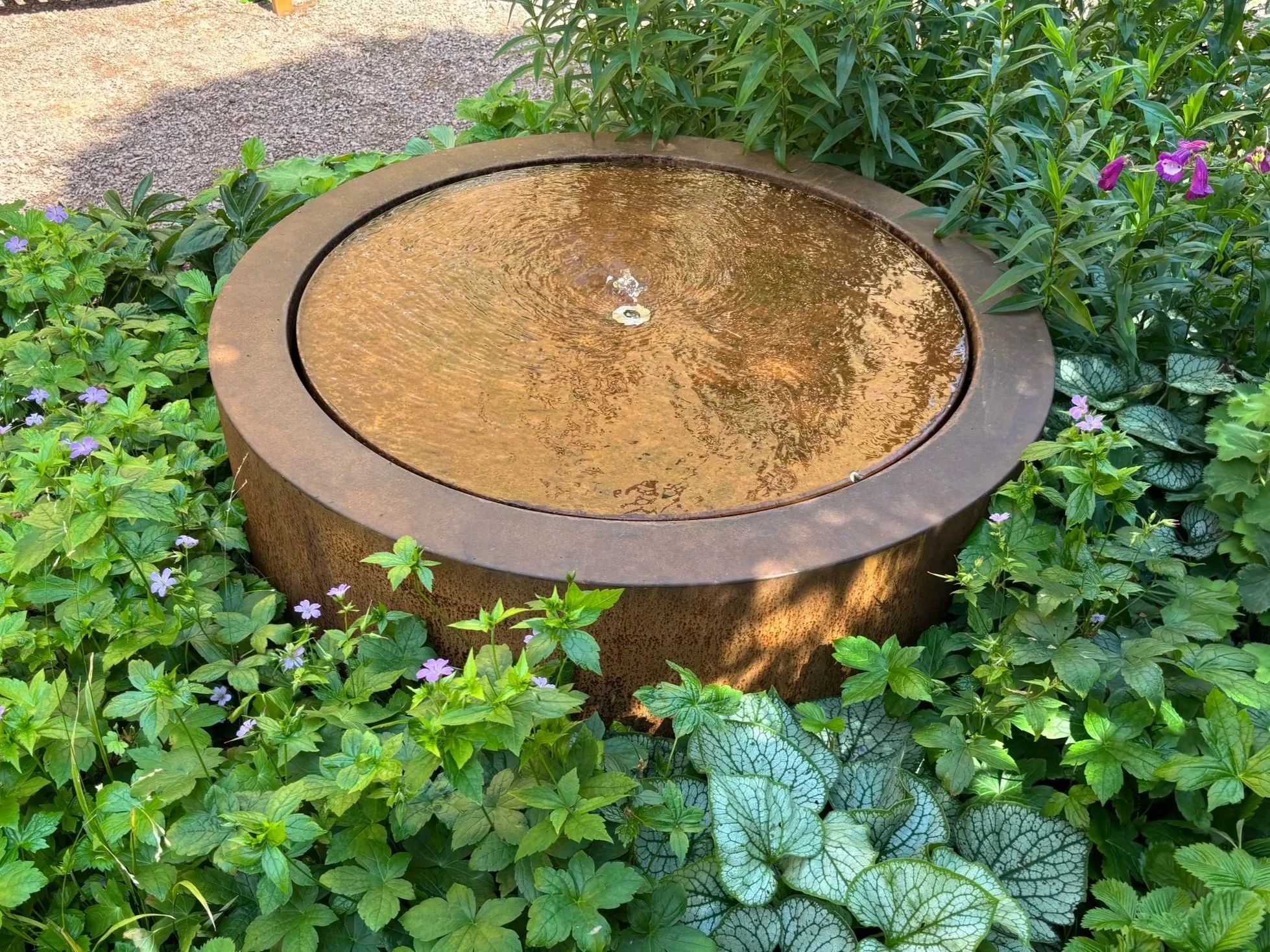
Part shade planting we did around a water feature, by an existing tree to create a colourful, textural woodland.
3. Conservation Areas Influence Garden Design more than you think
Many parts of Richmond upon Thames sit within conservation areas, particularly around Richmond Green, Ham, Petersham and St Margarets. This often affects what you can do in your garden, especially with features such as:
hard landscaping materials
walls and boundaries
tree works
lighting
drainage
planning approval
Using materials that respond naturally to the local architecture can help gardens feel more cohesive and can also simplify planning discussions where permissions are required. York stone, London stock brick, gravel and reclaimed detailing often sit particularly comfortably within Richmond’s historic character and planning office.
4. Gardens Here Need Structure and Privacy
Richmond gardens vary hugely in scale, but privacy is usually one of the first things clients want to improve. I often divide spaces into connected zones using:
layered planting
screening
pathways
pergolas
subtle level changes
This creates gardens that feel calmer, softer and more immersive while still functioning well for family life and entertaining.
Even smaller gardens can feel spacious when structure and planting are handled carefully.
5. Biodiversity Matters More Than Ever
Richmond upon Thames already has one of the strongest ecological landscapes in London because of Richmond Park, Kew Gardens and the Thames corridor. Gardens though, can play an important role in supporting that wider biodiversity network and also make gardening easier. Simple decisions such as:
improving soil health
choosing pollinator friendly planting
reducing hard surfacing
adding layered habitats
retaining mature trees
can significantly improve biodiversity while also creating more resilient, easier to care for and more beautiful gardens.
Richmond is an exceptional place to garden because of its combination of historic landscape, mature trees, riverside influence and varied planting conditions. The best gardens I feel here are usually the ones that respond naturally to those existing conditions rather than imposing something disconnected from the area.
If you are considering a new garden design, planting scheme, or want a good gardening service to help a mature garden evolve to be better with time, please explore our website to find out more. Get in touch to let us turn your garden headache to glory.