

Lessons from Designing Gardens in Twickenham
Twickenham is one of the most beautiful places in London to live and garden. Sitting beside the Thames, it is shaped by riverside landscapes, mature trees, historic planting and a strong network of green spaces. Gardens are part of everyday life here, not just decoration, and after living and working in the area for a number of years, I’ve come to understand the subtle details that make gardens in Twickenham work well long term.
As a garden designer working across Twickenham, St Margaret’s and Strawberry Hill in Richmond upon Thames, three local landscapes constantly influence how I approach garden design here, Marble Hill Park, Orleans Gardens and Ham House.
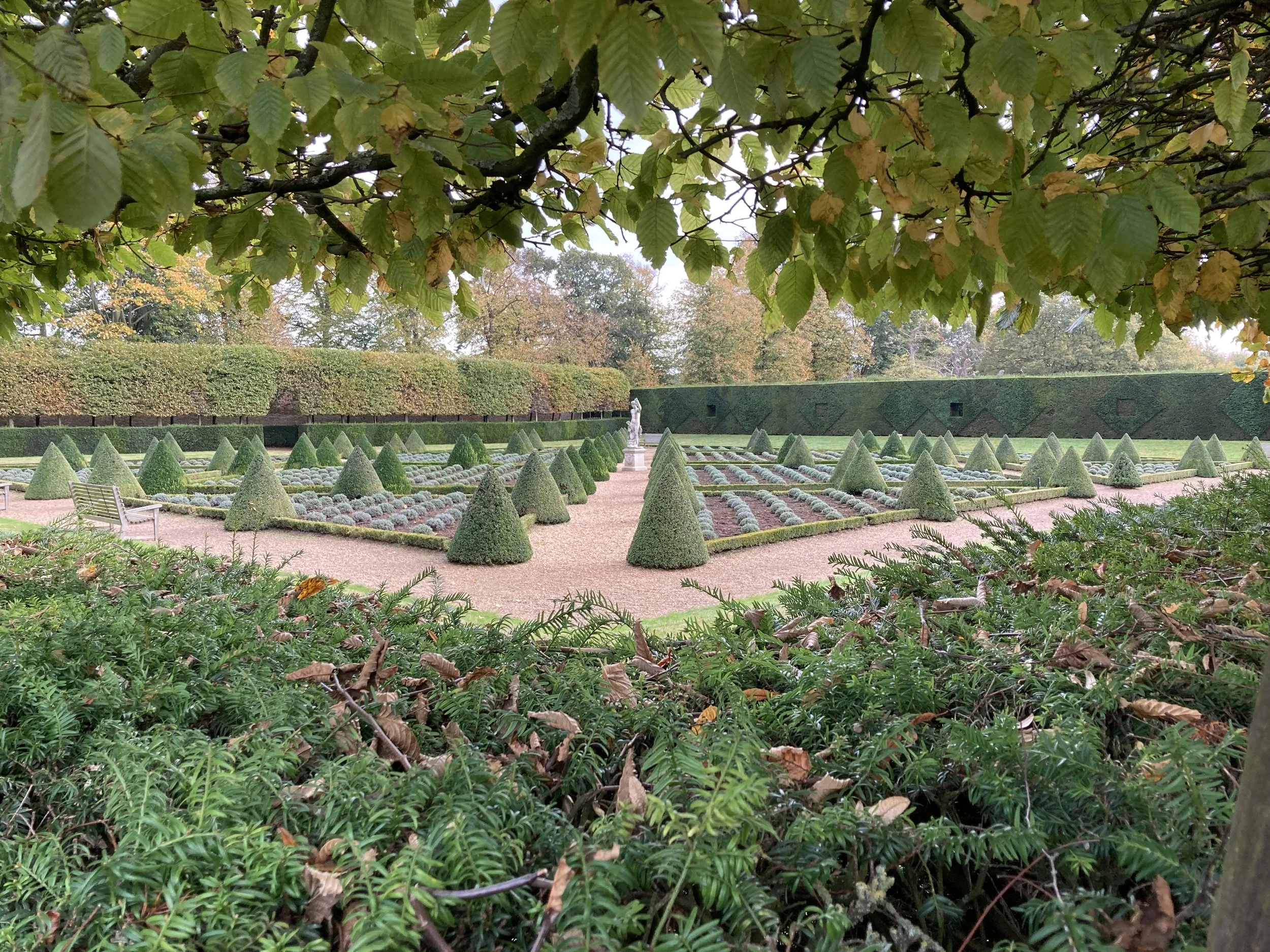
Ham House - Cherry Garden
Marble Hill and Orleans were part of my daily routine when I lived near Twickenham Stadium. Running and walking along the Thames Path through those spaces taught me a lot about the local planting and how openness and mature trees shape the feel of an area over time. Ham House is different again. Before training as a garden designer, I worked there as a gardener, caring for one of the country’s most historically important gardens.
In 2022, I worked with the Ham House gardens team on redesigning the front and side gardens, bringing together historic structure with modern biodiversity thinking. That balance between timeless design and ecological planting still shapes the gardens I design in Twickenham today.

2022 Redesign of Ham House for the National Trust Garden’s Team
Designing Gardens That Belong in Twickenham
Twickenham has a strong architectural identity, particularly around its Victorian and Edwardian streets. The best gardens here usually feel connected to the house and surrounding landscape rather than disconnected from them.
For that reason, I often work with materials such as York stone, London stock brick, reclaimed edging, cast iron detailing and simple timber structures. The aim is not to recreate history, but to design gardens that feel timeless and rooted in place.
Where homes have modern extensions or renovated interiors, we often create a balance between contemporary and traditional materials so the garden feels cohesive with the architecture. Good garden design should always strengthen a sense of place.
Being so close to Kew Gardens is another huge advantage when designing locally. It remains one of the best places in the world to study planting combinations, mature tree forms and biodiversity in practice. I regularly draw inspiration from seeing how plants establish and interact over decades, not just in newly planted schemes. If you want to make a good garden round here, go several times over a year and take photos of hte plants you love the best, this will help you make a long term seasonal pallette.
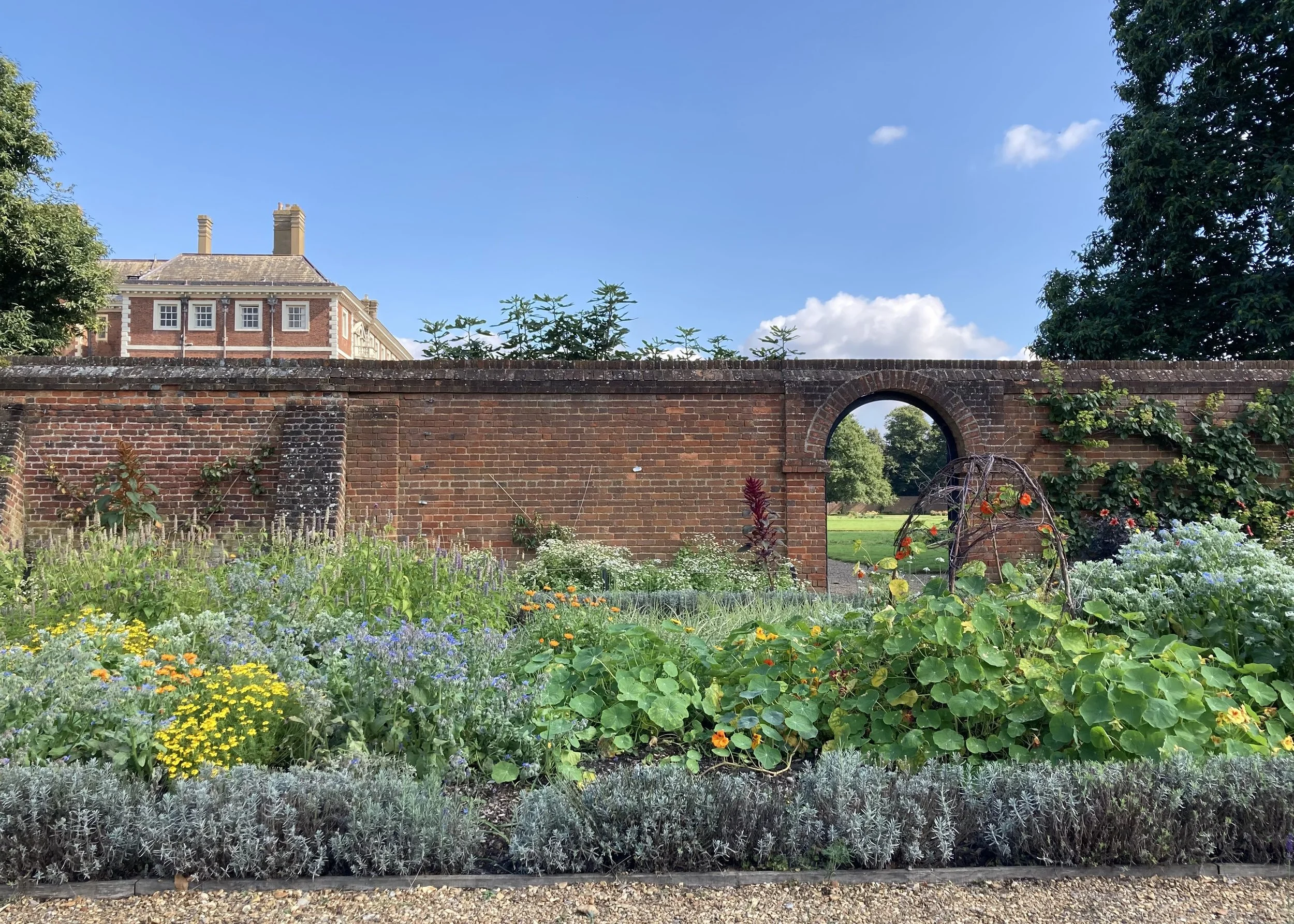
One of my favourite jobs was working in the Kitchen Gardens at Ham House
Long and Narrow Gardens in Twickenham
A large number of gardens in Twickenham share a similar layout, long, relatively narrow spaces often overlooked by neighbouring properties. Privacy is one of the first things many clients want to improve.
I tend to approach these gardens by creating a series of connected zones rather than one single open space. Planting, subtle level changes, pathways and lightweight structures can help define areas without making the garden feel overcrowded.
This approach makes gardens feel larger, softer and more immersive while still keeping them practical for family life and entertaining.
Mature trees are another defining feature of many Twickenham gardens. Wherever possible, I try to retain existing trees because they provide immediate scale, shade, habitat value and structure that would otherwise take decades to recreate.
When designing around established trees, it is important to consider Tree Preservation Orders and root protection zones, particularly under Richmond Council regulations. New tree planting also needs careful long term planning so species remain appropriate for the space in 20 or 30 years’ time.
Wildlife Friendly Garden Design in Twickenham
One thing I particularly enjoy about working in Twickenham is the opportunity to create gardens that support biodiversity while still feeling elegant and usable.
The Thames corridor already acts as an important wildlife route through south west London. By adding layered planting, pollinator friendly species, water sources and healthier soil systems, gardens can become part of a much larger ecological network. This does not mean gardens need to look wild or unmanaged. Some of the most successful wildlife friendly gardens I think are highly structured spaces that simply work more naturally with seasonal change and habitat creation.
For me then, the best gardens in Twickenham are usually the ones that work with the character of the area rather than against it. The river, mature trees, historic architecture and softer landscape all shape how these spaces feel.
Whether it is a complete redesign, planting plan for a mature garden or lower maintenance family garden, thoughtful design can completely transform how a space functions and connects to the house around it.
If you are planning a garden project in Twickenham or Richmond upon Thames, or need a gardening service focusing on long term care, you can explore more of our work at Zoe Claymore Garden Design.